
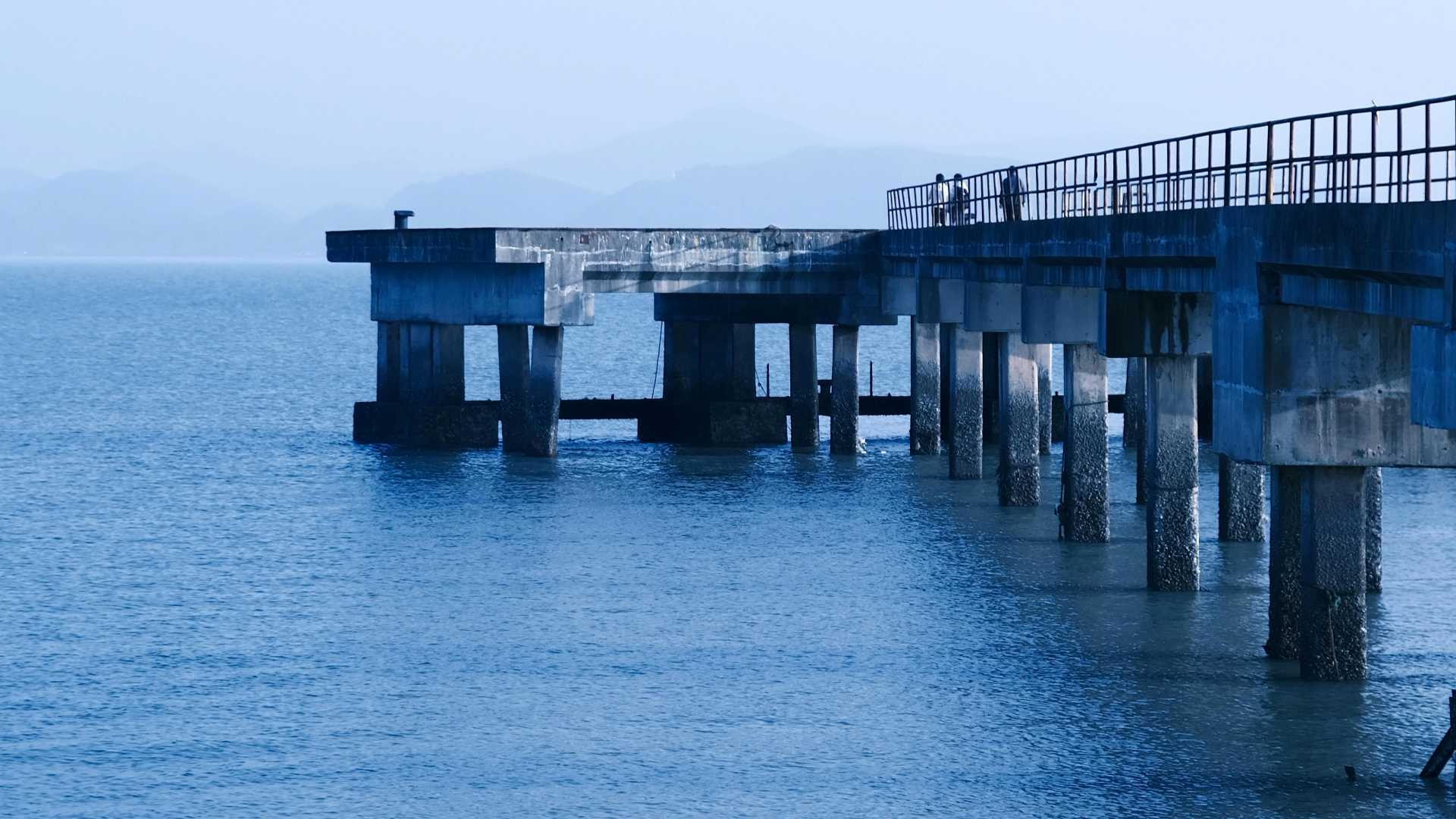
The relentless ocean never sleeps. Day and night, saltwater pounds against marine structures, while floating debris crashes into support piles and corrosive chemicals slowly eat away at even the strongest materials. For decades, waterfront facility managers have watched helplessly as their infrastructure deteriorated, facing the choice between expensive pile replacement or temporary fixes that barely lasted through the next storm season.
That reality is changing thanks to an innovative marine repair technology that’s transforming how we protect and restore waterfront infrastructure. Pilejacket repair systems are proving that sometimes the best solution isn’t to fight the ocean — it’s to work with it using smarter materials and engineering.
The Challenge of Marine Infrastructure Maintenance
Walk along any commercial waterfront and you’ll see the ongoing battle between human engineering and marine forces. Traditional pile repair methods often fail because they attempt to restore damaged surfaces in an environment that caused the damage in the first place. It’s like trying to paint a house during a rainstorm — the fundamental conditions work against success from the start.
Steel piles develop rust that spreads faster than repairs can address it. Concrete structures crack and spall as saltwater penetrates and freezes. Timber piles become riddled with marine borer holes that weaken the entire structure. Each repair attempt fights the same environmental forces that created the original damage, leading to a costly cycle of temporary fixes and recurring problems.
The economics of this challenge are staggering. Pile replacement projects can shut down entire sections of waterfront facilities for weeks or months. Environmental permitting alone can take longer than the actual construction work. Meanwhile, the infrastructure continues deteriorating, threatening operations and creating safety risks.
✨ Have a specific marine repair question not answered here?
We’re here to answer all of your questions about marine repair, pilejackets, or anything epoxy grout.
Enter the Pilejacket Solution
Pilejacket technology approaches marine pile repair from a completely different angle. Instead of trying to restore damaged surfaces, this system encapsulates the entire structure within a protective shell made from fiberglass reinforced plastic. Think of it as creating a new pile around the old one, but with materials specifically engineered to thrive in marine environments.
The concept is elegantly simple yet scientifically sophisticated. Advanced FRP materials resist everything the marine environment can throw at them. Saltwater can’t corrode fiberglass. Marine borers can’t penetrate it. Chemical exposure that would destroy traditional materials has no effect on properly formulated FRP systems.
Modern pilejacket systems like Five Star PileForm F represent decades of materials science advancement. These aren’t experimental technologies — they’re proven solutions with documented performance across thousands of marine installations. The lightweight shells can withstand impacts that would shatter concrete and achieve strength properties that exceed most structural materials.
How the Magic Happens Underwater
The installation process reveals why pilejacket technology has gained such traction among marine contractors. Traditional pile repair often requires creating dry work areas using cofferdams or waiting for specific tide conditions. Pilejacket installation happens underwater, with divers working in the natural marine environment.
The process begins with a precision-engineered tongue-and-groove system that ensures proper alignment without guesswork. The FRP jacket slides around the damaged pile like a custom-fitted sleeve. Integral EnsureFIT templates guide positioning, while the lightweight construction allows a single diver to handle installation efficiently.
Once positioned, stainless steel fasteners and marine-grade epoxy create watertight seals around the perimeter. This step is crucial—the seal prevents further water intrusion that could undermine the repair. The quality of this seal often determines the long-term success of the entire project.
The transformation from simple encasement to structural composite happens during grouting. Specialized underwater grout gets injected into the space between the existing pile and the new jacket. This isn’t ordinary concrete — materials like Five Star Underwater High-Strength Grout are formulated specifically for marine applications, with corrosion inhibitors and expansion characteristics that create perfect bonds with both the old pile and new jacket.
The final sealing step addresses the splash zone where water levels constantly change. Five Star Splash Zone epoxy putty creates durable seals that maintain integrity through endless wetting and drying cycles. This two-component epoxy bonds exceptionally well to FRP materials while withstanding the harsh conditions where air and water meet.
Real-World Performance That Delivers
Numbers tell part of the story — flexural strength reaching 34,000 psi and impact resistance of 20 ft-lb/in represent serious structural capability. But the real test comes from years of service in brutal marine conditions. Water absorption below 0.3 percent means the material properties remain stable even after decades of submersion.
The Port of New Orleans Nashville Wharf rehabilitation demonstrates this technology’s capability in one of America’s most demanding industrial marine environments. Heavy commercial traffic, aggressive chemical exposure, and constant loading cycles create conditions that destroy conventional repair materials. The pilejacket installation has maintained structural integrity and appearance years after completion.
Similarly, New York City’s Passenger Ship Terminal Piers showcase successful applications in urban marine settings with unique challenges. Environmental restrictions, operational requirements, and public visibility demanded a solution that worked perfectly the first time. The pilejacket system delivered reliable performance while meeting all project constraints.
Battery Park City marine facilities provided another proving ground for the technology, demonstrating effectiveness in high-visibility public infrastructure applications where failure wasn’t an option.
The Economics of Smart Marine Repair
Project managers love pilejacket technology for reasons that go beyond technical performance. The system typically restores 75 to 90 percent of original pile capacity at a fraction of replacement cost. More importantly, installation speed creates dramatic savings in project duration and indirect costs.
Where pile replacement might require months of complex staging, environmental permitting, and operational disruption, pilejacket rehabilitation often completes in days. Weather delays become irrelevant when work happens underwater. Equipment requirements shrink when lightweight materials eliminate heavy lifting needs.
The long-term economics are equally compelling. FRP construction requires minimal ongoing maintenance compared to traditional materials. The composite structure typically outlasts original pile materials in marine environments, extending service intervals between major rehabilitation projects.
Complete System Integration for Maximum Performance
Success with pilejacket technology depends on understanding that this isn’t just about the jacket itself—it’s about integrating compatible materials designed to work together as a complete system. Each component must perform its role while supporting overall system performance.
Five Star Underwater High-Strength Grout serves as the backbone of the system, achieving 8,500 psi compressive strength at 28 days while incorporating migrating corrosion inhibitors for enhanced saltwater protection. This pump-grade, cement-based material contains positive expansion characteristics that ensure complete void filling, creating the tight bond necessary for true composite action between pile and jacket.
The grout works effectively in saltwater, freshwater, and brackish environments, making it versatile for various marine applications. Its ability to maintain pumpability while delivering exceptional strength makes it ideal for the precise injection requirements of pilejacket installation.
For specialized applications requiring enhanced chemical resistance or faster strength development, the LPL-HF epoxy grout system offers superior performance. This three-component, 100% solids epoxy maintains excellent pumpability at low pressures while achieving higher ultimate strengths and better chemical resistance than traditional cementitious alternatives.
The critical splash zone interface requires special attention, and Five Star Splash Zone epoxy putty delivers exactly what’s needed. This two-component, 100% solids epoxy putty creates watertight seals at, above, or below the waterline while bonding exceptionally well to both FRP jacket materials and existing pile substrates. With adhesion strength of 500 psi to steel and 300 psi to concrete in dry conditions, it maintains substantial bond strength retention even when applied underwater.
Versatility Across Marine Applications
The beauty of modern pilejacket systems lies in their adaptability to different pile types and configurations. Whether dealing with deteriorated timber piles suffering from marine borer damage, corroded steel structures losing section, or concrete piles with spalling and cracking issues, the same fundamental system approach delivers reliable results.
Available configurations accommodate virtually any structural geometry, including round, square, rectangular, octagonal, hexagonal, H-beam, and T-beam shapes. Custom sizing ensures proper fit for oversized structures or unique applications that don’t match standard dimensions.
Offshore industry applications have embraced this technology for platform riser and leg reinforcement, where constant wave action and potential impact from vessels create some of the most demanding service conditions imaginable. These installations must maintain structural integrity over decades of service life while withstanding extreme environmental forces.
Looking Forward: The Future of Marine Infrastructure Maintenance
As waterfront infrastructure continues aging across North America and globally, rehabilitation technologies like pilejacket systems become increasingly critical for maintaining operational facilities. The combination of proven performance, installation efficiency, and cost-effectiveness positions this approach as essential for marine maintenance professionals.
Materials science continues advancing, with newer FRP formulations offering enhanced properties and expanded application possibilities. Installation techniques evolve to improve efficiency and expand the range of conditions where pilejacket installation succeeds.
For contractors and facility managers dealing with aging marine infrastructure, pilejacket repair represents more than another repair option. It’s a comprehensive approach that addresses immediate structural needs while providing long-term protection against future environmental damage.
The technology transforms damaged piles into composite structures that often exceed original installation performance. Working with experienced suppliers who understand complete system integration ensures access to compatible materials like Five Star PileForm F, Five Star Underwater High-Strength Grout, Five Star Splash Zone, and the LPL-HF epoxy grout system, along with technical support throughout projects.
The documented success across diverse marine applications, combined with quantifiable performance benefits and proven cost-effectiveness, makes pilejacket systems worthy of serious consideration for marine rehabilitation projects. As we continue managing aging waterfront infrastructure with limited budgets and compressed schedules, integrated solutions that deliver reliable performance with installation efficiency become increasingly valuable for protecting our marine infrastructure investments.
Need Help Choosing the Right Epoxy Grout?
We’re here to answer all of your questions about epoxy grout solutions, product compatibility, and application techniques. Get expert guidance for your specific project needs.
Professional Grade Products
Quality Customer Service
Technical Support